Ich weiß gar nicht, was FAKTOR MENSCH eigentlich macht.
Ein Satz, den wir zuletzt häufiger gehört haben. Höchste Zeit, das zu ändern. Wir sind FAKTOR MENSCH – und wir stehen für eine neue Art, Gesundheit im Unternehmen zu denken.
HR am Wendepunkt: Live-Webinare am 16.10., 19.11. und 1.12.2026. Jetzt anmelden
Blog
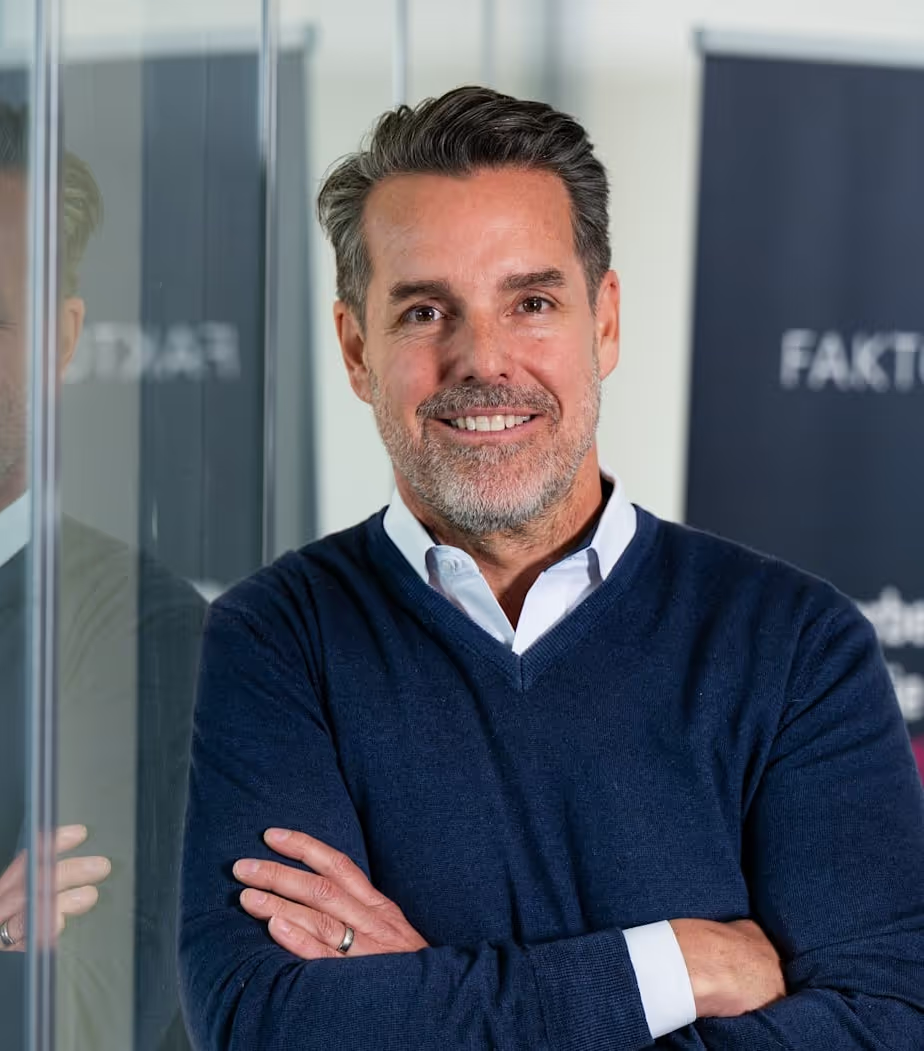
Geschrieben von Tim Bütecke
Geschäftsführer

Wenn Stellen auf allen Ebenen gestrichen werden, hinterlässt das in den Belegschaften tiefe Spuren. Zurückbleibt die sogenannte „Survivor-Belegschaft“ – also jene Mitarbeitenden eines Unternehmens, die nach einer Phase des Personalabbaus ihren Arbeitsplatz behalten dürfen – jedoch unter dem ständigen Druck der Zukunftsangst.
Wie schafft man es als Unternehmen in solch einer Phase, die Leistungsbereitschaft und Motivation nicht komplett einbrechen zu lassen? Und warum könnte ausgerechnet die betriebliche Krankenzusatzversicherung (bKV) der Schlüssel zu mehr mentaler Stärke und Leistungsbereitschaft sein? Dieser Frage geht der folgende Blogbeitrag nach.
Massenentlassungen sind selten das Ergebnis einer einzigen Krise: steigende Lohnkosten, internationaler Wettbewerbsdruck, geopolitische Verwerfungen und in der Konsequenz harte, aber auch überfällige Restrukturierungen. Die Komplexität der Herausforderungen verschärft den wirtschaftlichen Druck und treibt massive Kostensenkungsprogramme voran. Und weil Personalkosten zu den größten Kostenblöcken zählen, greifen viele Entscheider beim Personal an.
Wenn Unternehmen massiv Stellen abbauen, ergeben sich typische Herausforderungen für die verbleibenden Mitarbeitenden:
Zugleich zeichnen aktuelle Arbeitsmarkt- und HR-Studien ein paradoxes Bild: Das Engagement und die Leistungsbereitschaft deutscher Arbeitnehmer fällt im europäischen und weltweiten Vergleich weiter ab. So zeigt die aktuelle Gallup Studie „State of Global Workforce 2026“, dass im Jahr 2025 gerade einmal 20 % der Beschäftigten hoch motiviert war.
Wenn Beschäftigte ihre Leistung zurückhalten, ist das meistens eine Reaktion auf das Umfeld: z.B. mangelnde strategische Orientierung in der Krise, ein zu hohes Stresslevel und/oder eine schwache Führung. Vor diesem Hintergrund lässt sich auch ein direkter Zusammenhang zwischen dem Rückgang der Leistungsbereitschaft und die im internationalen Vergleich hohen durchschnittlichen Fehltage in der bundesdeutschen Wirtschaft (ca. 20 Fehltage pro Mitarbeitenden) erklären.
Wie schafft man es in solch einer Phase, die Leistungsbereitschaft und Motivation hoch zu halten? Und welche Rolle kann in diesem Zusammenhang das Betriebliche Gesundheitsmanagement (BGM) für mehr mentale Stärke, Motivation und Leistungsbereitschaft übernehmen?
Um ein Unternehmen nach einer Restrukturierung erfolgreich in die Zukunft zu führen, braucht es vor allem hoch motivierte und leistungsbereite Mitarbeitende. Geschäftsleitung und Führungskräfte müssen dringend hierfür die notwendigen Voraussetzungen schaffen, denn in Krisenzeiten zählen vor allem wertschätzende und identitätsstiftende Maßnahmen mehr denn je. Folgende Aktivitäten sind hierbei unerlässlich:
Nichts schadet der Motivation so sehr wie Ungewissheit. Wenn das Management schweigt, füllt der Flurfunk die Lücken mit Gerüchten und Negativszenarien – jedoch selten mit einer motivierenden Zukunftserzählung.
Lösungsansatz: Offene Kommunikation! Warum ist die Restrukturierung notwendig gewesen? Wie sieht das Zukunftsbild für das Unternehmen aus? Welche Rollen kommen den verbleibenden Beschäftigten zu? Nur wenn Mitarbeitende den Sinn hinter Veränderungsmaßnahmen verstehen, bringen sie Verständnis und Leistungsbereitschaft auf.
Mitarbeitende, die unterschwellig Angst um ihren Arbeitsplatz haben, riskieren nichts. Sie verharren im "Dienst nach Vorschrift" Modus mit der Folge, dass Innovationen ausbleiben und die Produktivität sinkt.
Lösungsansatz: Gerade in unruhigen Zeiten benötigen Unternehmen eine offene Fehlerkultur. Erst wenn Fehler als Lernchancen und nicht als Kündigungsgrund erlebt werden, kehrt Mut, Kreativität und Leistungsbereitschaft zurück. Es geht im Kern um eine Führungskultur, in der FÖRDERN wichtiger ist als FORDERN.
Ein permanent hoher Arbeitsdruck und die unterschwellige Angst vor dem Jobverlust hinterlassen Spuren. Mitarbeitende kommen so schnell an ihre Belastungsgrenzen. Oft steigen Krankenstand und Fluktuation.
Lösungsansatz: Das betriebliche Gesundheitsmanagement darf weder als „Nice-to-have“ verstanden noch in Krisenzeiten gestrichen werden. Regeneration und Prävention sind unabdingbare Voraussetzungen für leistungsstarke und hochmotivierte Teams. Unternehmen, die in die mentale und physische Gesundheit ihrer Mannschaft investieren, sind nicht nur attraktiver, sondern auch nachweislich wirtschaftlich erfolgreicher.
„Maßgeschneiderte Gesundheitskonzepte zählen zu den effektivsten Maßnahmen zur Stärkung der physischen und mentalen Gesundheit. Sie sichern die Leistungsfähigkeit von Teams und vermitteln eine echte und nachhaltige Wertschätzung.“ (Svea Bielert, CEO FRIEDERBARTH, Expertin für Personal- und Organisationsentwicklung).
Betriebliches Gesundheitsmanagement umfasst alle Maßnahmen, die die Gesundheit der Beschäftigten erhalten und fördern. Um dieses Ziel zu erreichen, steht das BGM auf drei Säulen: Arbeitsschutz und betriebliches Eingliederungsmanagement sind gesetzlich vorgeschrieben. Sie schützen vor Unfällen und helfen nach längerer Erkrankung zurück in den Beruf.
Den freiwilligen Teil fasst die betriebliche Gesundheitsförderung (BGF) zusammen. Hierzu zählen u.a. die ergonomische Arbeitsplatzgestaltung, flexible Arbeitszeiten, aber auch die betriebliche Krankenzusatzversicherung (bKV), die nachweislich den größten Effekt auf eine nachhaltige mentale und physische Gesundheitsvorsorge und Versorgung hat. Gerade in einem auf die Bedürfnisse der Mitarbeitenden zugeschnittenen Gesundheitskonzept liegt die eigentliche Wirkung des betrieblichen Gesundheitsmanagements in Krisenzeiten. Es steigert die Wertschätzung und Motivation ebenso wie die Leistungsbereitschaft und Produktivität aller Mitarbeitenden - nicht zuletzt durch eine deutliche Reduzierung von Fehlzeiten & Fluktuationsraten.
Es ist vor dem Hintergrund aufgeführter Personalherausforderungen nachvollziehbar, dass in den vergangenen Monaten die betriebliche Krankenzusatzversicherung (bKV) einen regelrechten Boom erfährt. Auf der einen Seite erwarten über 70 % der Beschäftigten mehr Wertschätzung, Respekt und Wohlbefinden im Job. Auf der anderen Seite erkennen immer mehr Unternehmen die hohe wirtschaftliche Effizienz maßgeschneiderter Gesundheitskonzepte auf Basis der bKV.
Die bKV ist eine vom Arbeitgeber finanzierte private Zusatzversicherung für die Belegschaft. In Zeiten von Sparmaßnahmen und hohen mentalen und physischen Belastungen für Mitarbeitende, ist sie aus strategischer Sicht eines der wirksamsten Bausteine im strategischen und operativen Personalmanagement.
Wenn Unternehmen nach einer einschneidenden Restrukturierung in die Gesundheit der verbleibenden Mannschaft investieren, senden sie ein psychologisch überaus wichtiges Signal: Sie wandeln das Narrativ von „Hier wird nur gespart“ um in „Hier wird die Zukunft mit den besten Kräften abgesichert“.
Zudem reduziert die bKV ein nicht zu unterschätzendes Problem von ‚Survivor-Belegschaften‘: den steigenden Stresspegel und die damit zusammenhängenden mentalen Stressbelastungen. Zahlreiche Versicherungsgesellschaften haben in den vergangenen Jahren mit präventiven Leistungen im Bereich der mentalen Gesundheit reagiert. Grundsätzlich lassen sich diese in präventive Maßnahmen, Soforthilfen in Krisen und akute Behandlungen unterteilen. Das schützt die verbleibenden Mitarbeitenden vor Burnout-Syndromen (z.B. durch Arbeitsverdichtungen) und Unternehmen vor langen Ausfallzeiten Ihrer Kernbelegschaft.
Die nachfolgende Auflistung fasst die wesentlichen Vorteile einer bKV in Krisen-, bzw. Umbruchzeiten zusammen:
Vorteile einer bKV in einer Krise
| Vorteil für Mitarbeitende | Nutzen für das Unternehmen |
|---|---|
| Fürsorge & Wertschätzung in der Krise: Die bKV als positives psychologisches Signal nutzen: Ganz nach dem Motto: „Wir investieren in Deine Gesundheit und planen mit Dir die Zukunft unseres Unternehmens“. | Loyalität & Leistungsbereitschaft: Wertschätzung, die direkt ankommt und nachweislich loyalitätsfördernd und motivierend wirkt. Zugleich stärkt die bKV das Unternehmensimage sowie die Arbeitgeberattraktivität. |
| Keine Gesundheitsprüfung & Sofortschutz: keine langen Wartezeiten, keine Gesundheitsprüfung. Auch Vorerkrankte werden ohne Aufschläge versichert – ein unschätzbarer Wert für ältere oder vorbelastete Angestellte. | Senkung von Fehlzeiten bis zu 25 %: Durch Vorsorgebudgets und schnellen Zugang zu privaten Fachärzten werden Mitarbeitende schneller gesund oder erst gar nicht krank. Das senkt Ausfallzeiten und erhöht die Produktivität |
| Spürbarer Sofort-Nutzen: Schnelle Facharzttermine zur Prävention oder Behandlung akuter Erkrankungen. Mit über 300 Gesundheitsleistungen erhalten Mitarbeitende genau die privatärztlichen Leistungen, die sie auch wirklich benötigen. | Hoher Return on Investment (ROI): Mehrfacher wirtschaftlicher Hebel: bKV zählt zu den Sachleistungen und ist bis 50.- EUR/Mt. steuer- und sozialabgabenfrei; weitaus höherer Nettonutzen ggü. einer Gehaltserhöhung, bei Reduzierung von nur 1 Fehltag pro MA/Jahr amortisiert sich die bKV vollständig. |
Personalabbau, hoher Wettbewerbs-und Kostendruck sind für jedes Unternehmen eine Zerreißprobe. Doch die Leistungsbereitschaft und Gesundheit der verbleibenden Teams entscheidet darüber, ob der Turnaround gelingt oder das Unternehmen weiter in die Krise rutscht und dort stecken bleibt.
Wer jetzt nur auf Druck setzt, verliert seine Leistungsträger durch innere oder tatsächliche Kündigungen. Wer stattdessen auf transparente Führung, emotionale Entlastung und intelligente, wertstiftende Benefits wie die bKV setzt, baut sich eine resiliente, loyale und gesunde Belegschaft für die Zukunft auf – das unverrückbare Fundament einer positiven Unternehmensentwicklung.
Quellen:
› Appelbaum, S. H., Delage, C., Labib, N., & Gault,G. (1997): The Survivor Syndrome: Aftermath of Downsizing. Career Development International
› Amy Claire Edmondson (2018): The Fearless Organization: Creating Psychological Safety in the Workplace for Learning, Innovation, and Growth.
› DAK-Gesundheitsreport 2025 und AOK-Fehlzeiten-Report 2025
› https://www.gallup.com/workplace/349484/state-of-the-global-workplace.aspx
Hinweis:
FAKTOR MENSCH hat die Inhalte des Blogbeitrags mit größtmöglicher Sorgfalt recherchiert und erstellt. Die Informationen dienen als Orientierungshilfe und sollen dem Leser eine erste Auskunft über die Gesundheitsreform geben. Wir bitten um Ihr Verständnis, dass wir dennoch keine Garantie für die Richtigkeit, Vollständigkeit und Aktualität der bereitgestellten Informationen übernehmen können.
Geschrieben von
Geschäftsführer
Beratung sichern
Kostenlos, unverbindlich und versichererneutral: In 30 Minuten zeigen wir Ihnen, wie die bKV in Ihrem Unternehmen funktioniert.
Ein Satz, den wir zuletzt häufiger gehört haben. Höchste Zeit, das zu ändern. Wir sind FAKTOR MENSCH – und wir stehen für eine neue Art, Gesundheit im Unternehmen zu denken.
Viele Benefits klingen gut – auf dem Papier. Doch in der Praxis bleibt ihre Wirkung oft aus. Anders die betriebliche Krankenversicherung – vorausgesetzt, sie wird strategisch eingesetzt.
Die geplante Gesundheitsreform 2027 bringt höhere Beiträge, weniger Kassenleistungen und neue Regeln bei Krankschreibungen. Wer jetzt handelt, kann die Mehrbelastung mit einer betrieblichen Krankenversicherung nicht nur ausgleichen, sondern daraus einen echten Mitarbeitervorteil machen.
Krankheitsbedingt ausgefallene Arbeitstage. In Kosten übersetzt über die fortlaufenden Personalkosten je Arbeitstag; als Ausfallquote das Verhältnis von Fehltagen zu Arbeitstagen.
Betriebliches Gesundheitsmanagement ist der systematische Ansatz, Gesundheit im Unternehmen über Strukturen und Maßnahmen zu fördern. Während das BGM präventiv und kollektiv wirkt, deckt die bKV die individuelle medizinische Versorgung ab — beide ergänzen sich, ersetzen sich aber nicht.
bKV-Tarife liegen typischerweise zwischen 10 und 50 Euro monatlich pro Mitarbeitendem. Tarife unter 50 Euro bleiben steuerfrei (Sachbezugsgrenze), höhere Tarife können pauschal mit 30 Prozent versteuert werden. Premium-Tarife mit erweiterten Bausteinen kosten 60 bis 100 Euro pro Monat.
Das Wichtigste in Kürze Ein Fehltag wird als fortlaufende Personalkosten angesetzt: Jahresgehalt zuzüglich Arbeitgeber-Lohnnebenkosten, geteilt durch die Arbeitstage im Jahr. Bei 48.000 Euro Jahresgehalt, 20 Prozent Lohnnebenkosten und 220 Arbeitstagen sind das rund 262 Euro je Fehltag. Die Ausfallquote setzt die Fehltage ins Verhältnis zu den Arbeitstagen — bei 15 Fehltagen und 220 Arbeitstagen rund 6,8 Prozent. Folgekosten wie Vertretung, Überstunden oder Produktivitätsverluste im Team sind nicht enthalten. Die tatsächliche Belastung liegt eher höher. Krankheitsbedingte Ausfälle kosten weiter — das Gehalt läuft, die Arbeit bleibt liegen.
Das Wichtigste in Kürze Die Kosten eines Austritts werden als Vielfaches des Jahresgehalts modelliert — einstellbar zwischen 0,25 und 2,0, voreingestellt 0,75. Darin stecken Recruiting, Einarbeitung, der Produktivitätsverlust bis zur vollen Leistungsfähigkeit der Nachbesetzung sowie Administration. Der Faktor ist eine Annahme, kein erhobener Wert — er hängt stark von Position, Branche und Nachbesetzungsdauer ab. Die Einsparung zeigt, was das Erreichen einer niedrigeren Zielquote rechnerisch bedeuten würde. Ob und wodurch sie erreicht wird, sagt der Rechner nicht.
Beratung sichern
Wir freuen uns darauf, Sie und Ihr Unternehmen persönlich kennenzulernen. Wenn Sie das Formular ausfüllen, melden wir uns umgehend bei Ihnen.
Wählen Sie einen Termin
Tag wählenSchritt 1 von 5
Dauer
| Mo | Di | Mi | Do | Fr | Sa | So |
|---|
Hervorgehobene Tage haben freie Termine.
Uhrzeit (deutsche Zeit)
Bitte wählen Sie zuerst einen Tag.
Vielen Dank für Ihre Anfrage. Wir melden uns in Kürze.